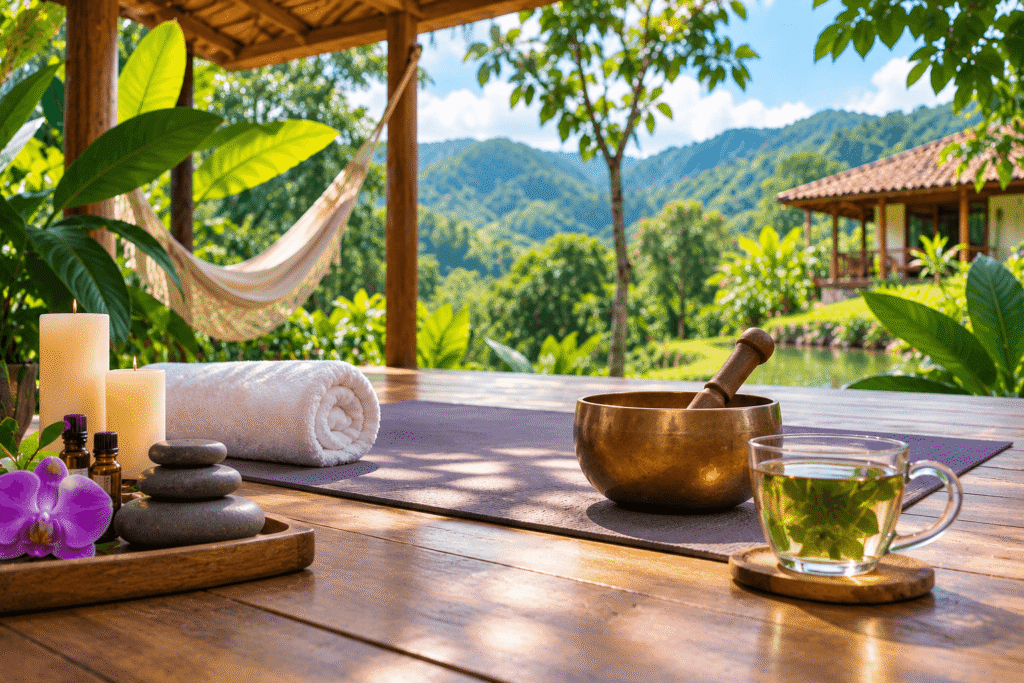
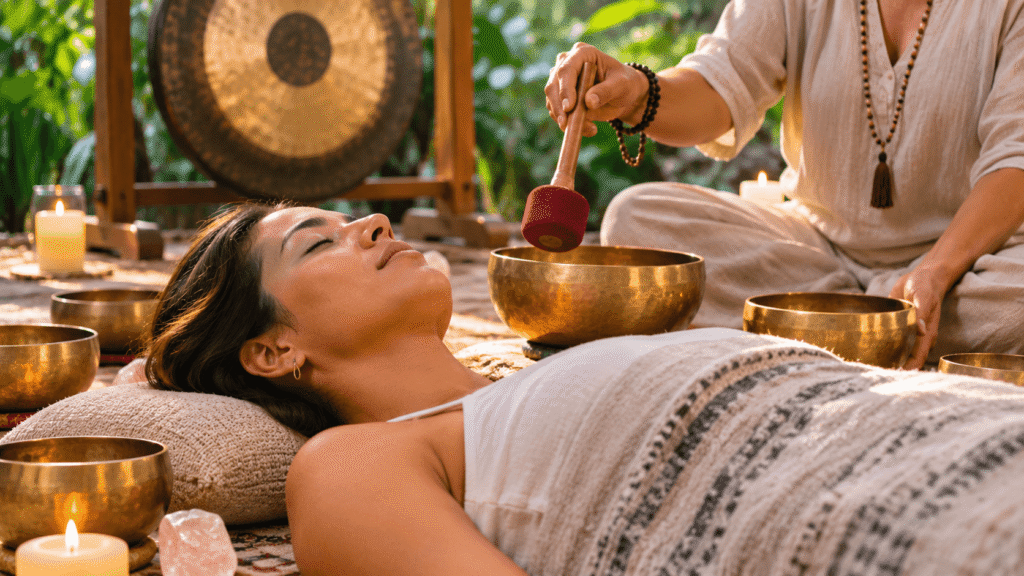
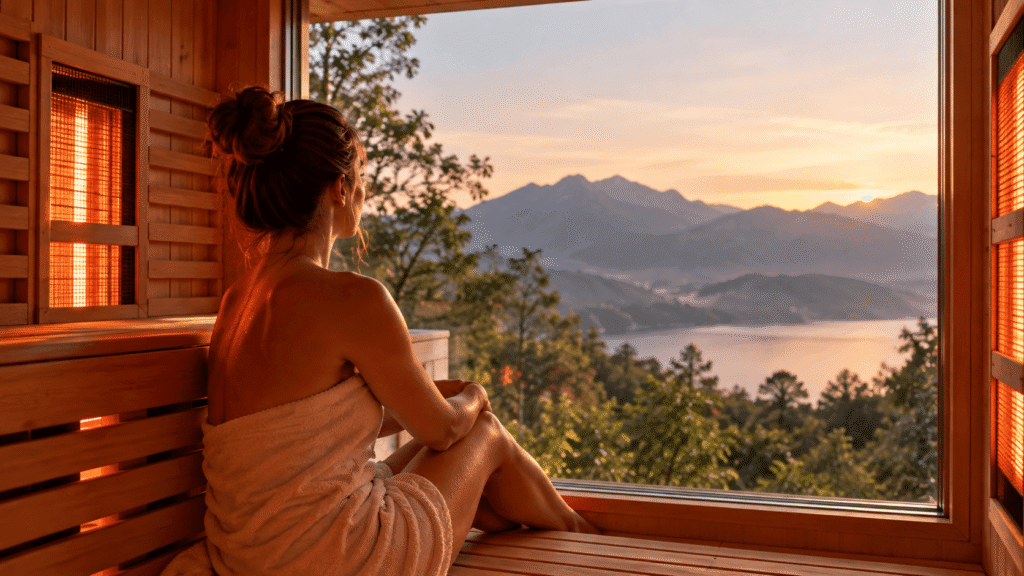
Wellness retreats in Colombia cover a wide range: yoga weeks in the Antioquia highlands, silent retreats in the mountains, digital detox programmes on the coast. Choosing well comes down to three things: knowing which type you need, asking the right questions before paying a deposit, and being honest about whether a retreat is right for you at all.
The main types of wellness retreats in Colombia
| Type | Typical length | Physical demand | Choose it if you want | Skip it if |
| Yoga and meditation | 3 to 7 days | Low to medium | A daily practice with structure and teaching | You dislike group routines and early starts |
| Silent retreat | 3 to 10 days | Low | Deep rest and time with your own thoughts | You’re going through acute grief or crisis without support |
| Digital detox | 2 to 5 days | Low | A break from screens with someone else holding the rules | You need to stay reachable for work or family |
| Active wellness: hiking, fitness, surfing | 4 to 7 days | High | To come back fitter and tired in a good way | You have an injury or haven’t trained in months |
| Hotel-based wellness stay | A weekend to several days | Low | Structured sessions with your own room and schedule | You want full immersion in a group |
Weekend formats are increasingly common, and they’re a reasonable way to test a type before committing to a full week.
Where retreats happen
Wellness retreats near Medellín are mostly in Antioquia’s eastern highlands, around El Retiro, Rionegro and Guatapé, where it’s cooler and greener than the city. A yoga retreat in Antioquia can be an hour from the airport, which makes short formats realistic. Further afield, the Coffee Region, Villa de Leyva and the hills around Santa Marta and Minca all host regular programmes.
How to choose a wellness retreat: what to ask before you pay
Ask these questions in writing. A good organiser answers quickly and specifically.
| Question | A good answer sounds like | A red flag sounds like |
| Who leads the sessions? | Names, training and years of experience | “Our team of healers” with no names |
| What does the rate include? | Room, meals, sessions and transfers listed separately | “All-inclusive” with no breakdown |
| How big is the group? | A specific maximum | “It depends” |
| How physically demanding is it? | Hours of activity per day and terrain | “Suitable for everyone” for a hiking retreat |
| What happens if I cancel? | A written refund policy with dates | Non-refundable deposits with no explanation |
| Is there medical support nearby? | A named clinic or a first-aid trained lead | No answer |
| What results can I expect? | Rest, routine, a practice to take home | Cures, detoxing toxins, guaranteed transformation |
Some programmes advertised in Colombia include plant-medicine ceremonies such as ayahuasca. Those carry real medical and psychological risks, require proper screening and belong to a different category from the retreats in this guide.
Silent retreats and digital detox: an honest note
A silent retreat in Colombia can be the most restful week of your year or a very uncomfortable one. Without conversation or a phone, whatever you’ve been avoiding tends to come up by day two or three. That’s part of the point, but it’s harder if you arrive in a fragile moment. If you’re unsure, start with a weekend digital detox, where you keep conversation and only lose the screen.
Who a retreat isn’t right for
A retreat is the wrong choice if you need medical or psychological treatment and hope the retreat will replace it. It’s also a poor fit if you can’t truly step away from work, since a laptop open every evening undoes most of the benefit. And if group schedules make you tense, a hotel-based stay with sessions you book yourself will probably suit you better.
Can a hotel work as a retreat?
Yes, when it offers structured programming, coherent food and genuinely restful spaces. At Wake BioHotel, a luxury hotel in El Poblado, Medellín, you can build your own retreat around the experience schedule and still close the door at the end of the day. The rooms at Wake BioHotel are designed for that kind of stay.
What kinds of retreat exist?
Yoga and meditation, silent retreats, digital detox programmes and physically focused wellness retreats are the most common.
How long do retreats usually last?
Three to seven days is typical, though weekend formats are increasingly common.
What should I ask before booking?
Who leads the sessions, what the rate includes, the group size and the expected physical demand.
Do I need experience?
Most accept beginners, but confirm it if the retreat has a demanding physical component.
Can a hotel work as a retreat?
Yes, when it offers structured programming, coherent food and genuinely restful spaces.