




In a world where a fast pace, chronic stress, and a disconnection from the body have become normalized, more people are seeking experiences that allow them not only to travel but also to heal, find balance, and plan for a longer, healthier life. From this search, a solid and growing trend has emerged: integrating mindful eating with wellness travel experiences, giving way to a new way of traveling centered on longevity and holistic well-being.
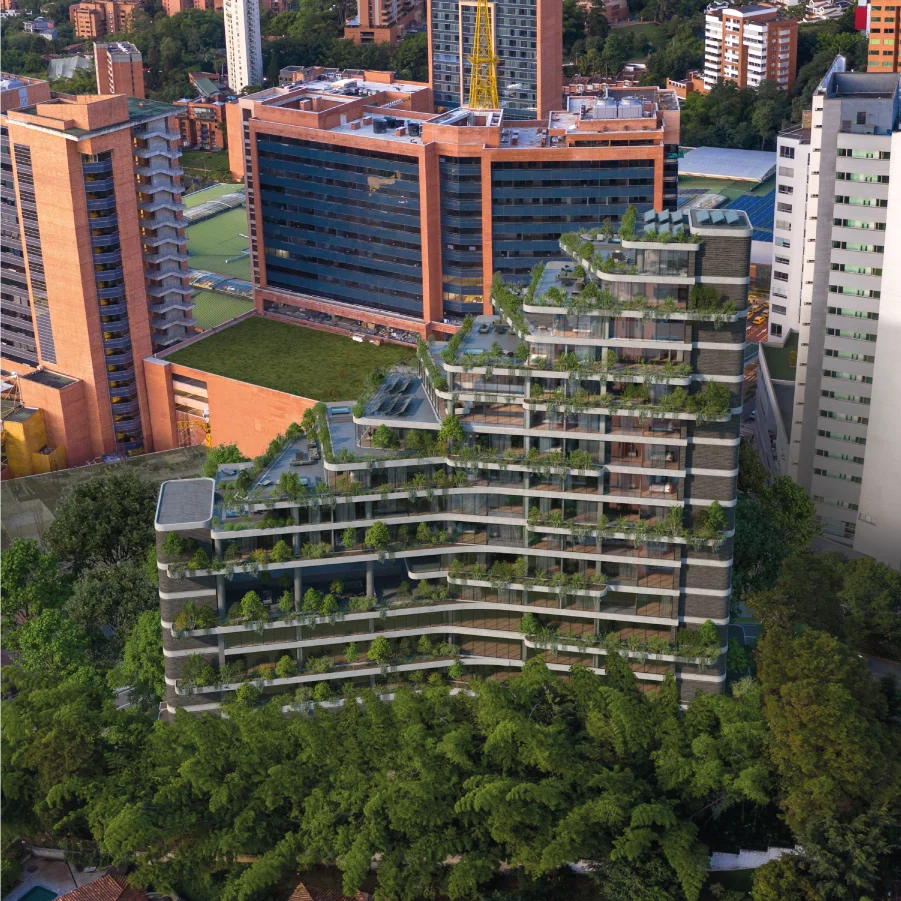
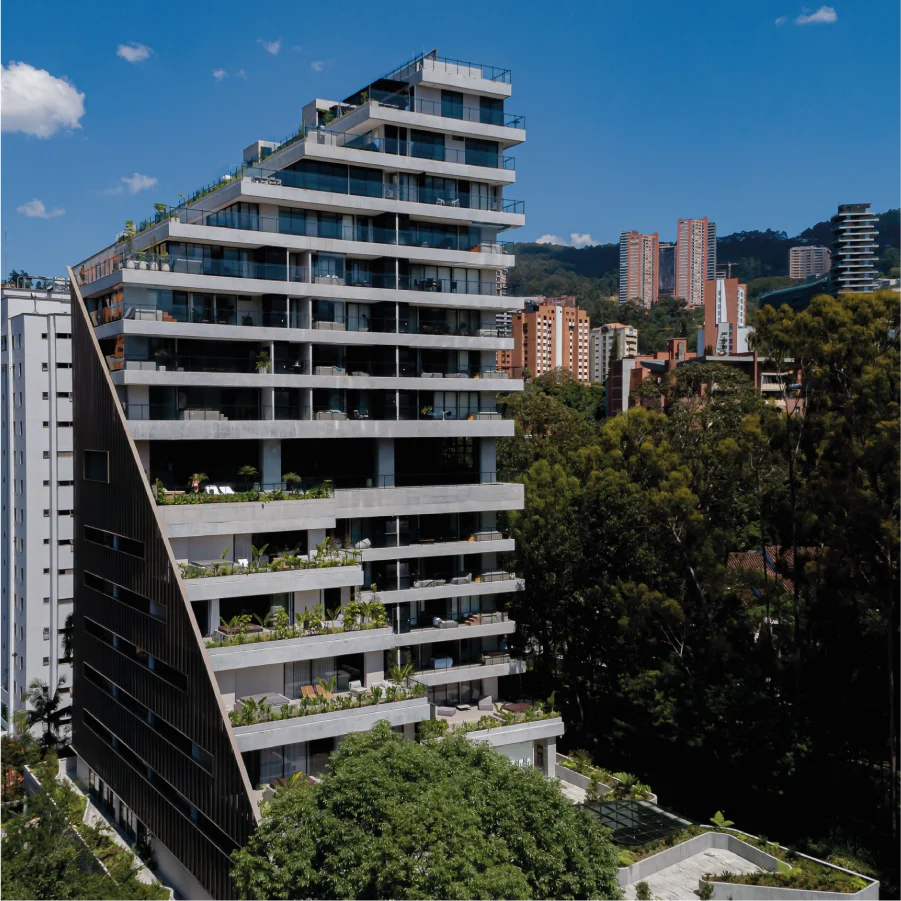
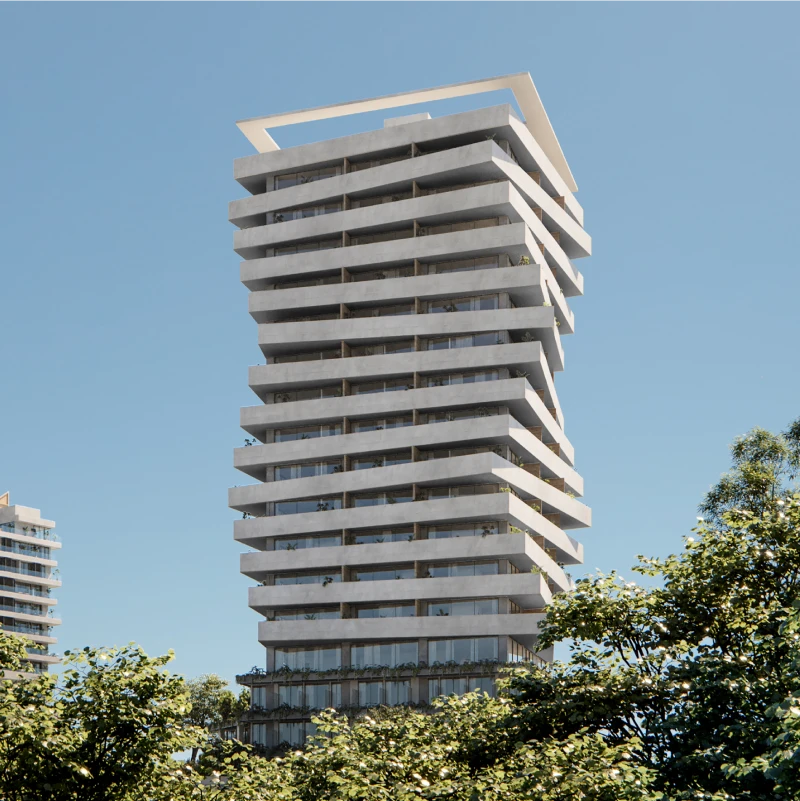
Today, travel is no longer a superficial pause but a transformative tool. In destinations like Medellín, proposals such as Wake BioHotel are redefining the concept of lodging by integrating conscious nutrition, sustainable design, and experiences oriented toward physical, mental, and emotional balance.
Mindful eating as a starting point for a longer life
Mindful eating is not limited to choosing healthy foods. It involves a deeper relationship with what we eat: understanding the origin of ingredients, listening to the body’s signals, respecting timing, and recognizing the impact that nutrition has on our energy, metabolism, and long-term health.
Various studies agree that a diet based on real, fresh, and minimally processed foods is directly related to greater longevity. When we eat mindfully, we reduce chronic inflammation, improve digestion, and promote cellular health—key factors for healthy aging.
During a wellness trip, this focus is enhanced. By stepping out of the daily routine, the body and mind become more receptive to new habits, facilitating changes that are often harder to sustain at home.
Traveling for wellness to heal, not just to see destinations
A wellness trip is an experience designed to restore the balance of body and mind. It includes practices such as proper nutrition, moderate physical activity, deep rest, contact with nature, and moments of introspection.
According to a publication specializing in tourism and wellness, wellness tourism focuses on improving the traveler’s quality of life through experiences that integrate physical, mental, and emotional health. This vision confirms that travel can be a catalyst for habits that directly impact the duration and quality of life.
Unlike traditional tourism, wellness tourism prioritizes how you feel during and after the trip, not just what you visit. The result is a more conscious, sustainable experience aligned with holistic well-being.
Colombia as a natural setting for wellness tourism and longevity
Colombia has positioned itself as an emerging destination in wellness tourism thanks to its biodiversity, temperate climates, and a growing hotel offering focused on holistic health. According to an industry analysis, Colombia possesses ideal natural and cultural conditions for the development of wellness tourism, combining nature, healthy gastronomy, and reconnection experiences.
Cities like Medellín stand out for offering a balanced urban environment with access to nature, high-quality local products, and gastronomic proposals aligned with mindful eating. This context makes the country an ideal setting for those seeking trips that contribute to their longevity.
Holistic well-being as an experience that transforms lifestyle through travel
The concept of holistic well-being recognizes that health does not depend on a single factor. Sleeping well, moving, eating mindfully, and managing stress are all pieces of the same system. A well-designed wellness trip addresses all these dimensions coherently.
By integrating mindful eating into a travel experience, practical lessons are generated that the guest can replicate in their daily life. It is not about restrictive diets, but about reconnecting with the pleasure of eating well and understanding how nutrition directly influences energy, mental clarity, and longevity.
Staying with purpose at Wake BioHotel
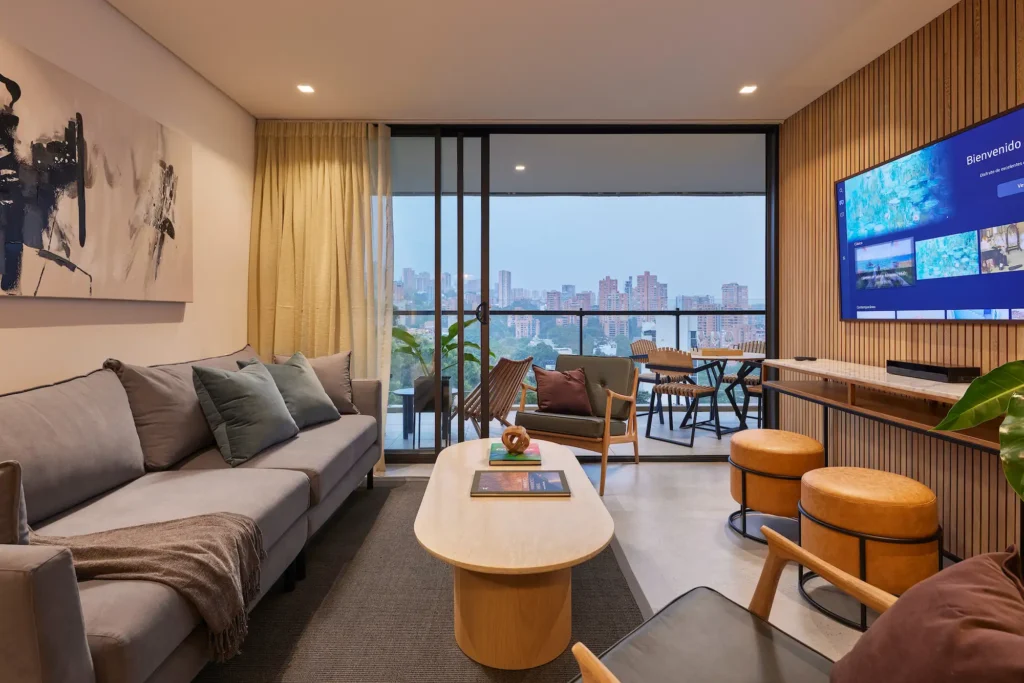
Wake BioHotel represents a new generation of hotels where rest, nutrition, and sustainability converge. Its proposal is designed for travelers who want more than just comfort: they seek consistency between what they consume, how they live, and the impact they generate.
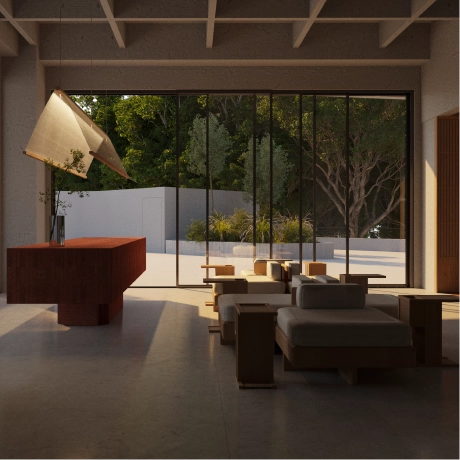
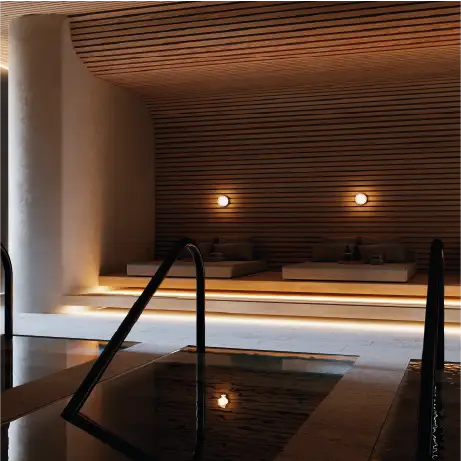
Here, the wellness tourism experience is lived through daily life. The spaces, the gastronomic proposal of its restaurant SILO, and the atmosphere invite guests to slow down, listen to their bodies, and adopt habits aligned with holistic well-being. This approach turns the stay into a true wellness journey, even for those who hadn’t planned it that way.
Longevity as a natural result of conscious travel
Talking about longevity is not just about living more years, but about living them better. When a trip incorporates mindful eating, real rest, and experiences that reduce stress, it becomes an investment in future health.
Wellness experts agree that environments that promote healthy habits have a direct impact on the prevention of chronic diseases and long-term quality of life. For this reason, wellness tourism is no longer a passing trend and has established itself as a response to the needs of the modern traveler.
How to integrate travel learnings into daily life
One of the greatest values of a wellness trip is its ability to generate sustainable change. By experiencing the benefits of mindful eating and deep rest firsthand, the traveler returns home with new priorities.
These types of experiences do not impose rules; they inspire. And that inspiration is key to sustaining habits that favor longevity and holistic well-being long after the trip ends.
The combination of mindful eating and wellness travel represents one of the most effective ways to transform the way we travel and live. In a context where stress and disconnection affect global health, wellness tourism emerges as a real alternative for those seeking balance, purpose, and longevity.
Staying in spaces like Wake BioHotel implies not only resting but reconnecting with a more conscious lifestyle. Because when travel aligns with well-being, the impact transcends the experience and becomes a direct investment in a longer, fuller, and healthier life.